Invisalign Or Braces: Which is Better for You?

Invisalign Or Braces

Many people choose Invisalign or braces to straighten their teeth and get beautiful alignment. Are you looking for a better smile? Orthodontic procedures will find the solution you are seeking, regardless of age. Orthodontics not only straightens your teeth but also enhances your bite for appropriate function, speech, and aesthetics. 

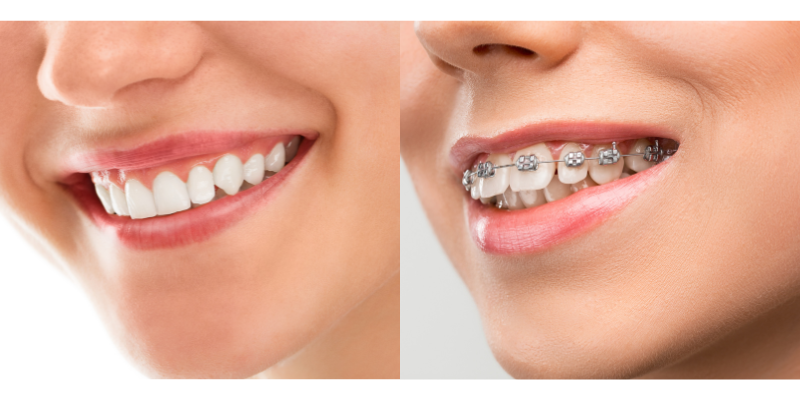
Invisalign and braces are excellent options to offer you a better smile by fixing your misaligned teeth. The wire of a traditional brace slides through brackets and applies force to the teeth to move them into the correct positions. Clear aligners, such as Invisalign, use custom-made trays that fit over the teeth and apply pressure to realign them. Based on your dental requirements, your dental professionals at Oakville can assist in determining which treatment is most appropriate for you.

How does Invisalign work

Using the Invisalign brand of clear aligners, you will use a series of custom-made plastic aligners to fit your mouth. For eating and brushing your teeth, you can remove Invisalign, just like mouth guards. In most circumstances, you’ll need to replace your aligners every two weeks as they shift your teeth to a designated place.

Following a consultation with your family dentist at Oakville to decide whether Invisalign treatment is the right option for you, an initial 3D scan of your mouth is obtained and used to build your treatment plan. After the development of aligners, they will be measured for fit and come with instructions on how often to replace them and how long to wear them. 

We will schedule periodic check-ups for you so that we can assess your progress and give you the next set of aligners. To hold your new, radiant smile in place, you’ll receive a retainer at the end of your Invisalign treatment.

Benefits of Invisalign

Invisalign offers a variety of advantages, including:

  • Less noticeable: One of the most appealing elements of Invisalign is that the retainers are clear, so many people may not even know you are using them.
  • Easily removable to eat and brush: Able to take out your aligners easily makes it simple to perform your dental hygiene routine and eat your regular meals.
  • No limitations on your food choices: Because the aligners are removable, there is no need to be concerned about breaking a bracket with hard or chewy meals.
  • Treatment requires fewer adjustments: Unlike traditional braces, you won’t need to visit your provider frequently with Invisalign since you’ll receive multiple aligners you can change at home.
  • Easy and comfortable to wear: It’s incredibly comfortable to use Invisalign since it frequently doesn’t irritate your gums or the inside of your cheeks.

Downsides of Invisalign

There are some drawbacks to Invisalign because nothing in life is perfect:

  • Requires discipline: You should wear clean aligners for about 22 hours each day to achieve the best treatment outcomes, which requires a lot of dedication. The removable nature of the aligners will need you to become used to putting them back on right away after eating or brushing your teeth. They, too, require frequent cleaning and maintenance, like your teeth, as food can harm them and collect bacteria.
  • More likely to misplace: It can be simple to inadvertently lose your aligners when you remove them to eat, drink, or brush your teeth, especially if you’re out in public. Avoid putting Invisalign in napkins or on lunch trays, and keep your case close at hand at all times.
  • Aligners can be expensive: Invisalign is more expensive than traditional braces in some practices due to the advanced 3D scanning technology and comfortable transparent material used to produce the aligners.
  • Invisalign may not be effective in every situation: Due to its limitations in some tooth motions, Invisalign may not be the ideal treatment for everyone.
  • There might be a need for attachments: Invisalign attachments may be necessary to help shift the teeth to their ideal positions in some situations. As the aligners grab onto the connectors, they exert light pressure and snap into place. To match the color of the teeth, the attachments are tiny button-like forms. When connectors are necessary, your dentist will explain which teeth will receive them.

How do Braces work

Traditional braces have advanced significantly over time. Compared to earlier, they are far more comfortable and minimally invasive. Ceramic or stainless steel brackets are attachable to the teeth using orthodontic glue.

A wire, made of various materials such as nitinol, stainless steel, or beta-titanium, is put within the bracket holes on each tooth and kept in place using tiny elastic bands. It applies moderate pressure to the teeth, letting them shift slowly into the correct position.

Benefits of Braces

The following are some advantages of traditional braces:

  • It can address severe alignment issues: The severity of your condition has no impact on the use of conventional braces. Braces apply continuous pressure to the teeth, allowing them to move into ideal positions.
  • There are various types of braces: You might be able to choose lingual braces or ceramic braces as an alternative to Invisalign if you’re seeking a discrete orthodontic solution. Braces placed on the backs of teeth are lingual braces, and ceramic braces are less noticeable than traditional metal braces due to their tooth-colored brackets.
  • Less responsibility for compliance: It can be advantageous not having to remove your braces as you would with Invisalign. It can simplify things and occasionally speed up the course of treatment.

Downsides of Braces

The following are some of the disadvantages:

  • Traditional braces are more visible: Traditional braces can be unappealing to certain people. They are more difficult to conceal than transparent aligners because of their metal appearance.
  • It gets more difficult to brush or floss: Unlike transparent, removable aligners, traditional braces are only temporarily fastened to the teeth. Food and dental plaque can readily accumulate around braces, resulting in tooth damage and discoloration if not removed. Brushing and flossing after meals are vital for keeping your teeth strong and healthy.
  • Need to avoid some food: Diet and beverage intake need to be taken care of when wearing traditional braces. Avoid consuming hard and sticky food to keep the brackets from being dislodged from the teeth. When braces break, it might interrupt treatment goals and result in a prolonged overall treatment period.
  • Often necessitates more frequent check-ups than Invisalign: Traditional braces frequently necessitate more frequent visits to your dentist for wire adjustments.
  • Wearing traditional braces could be bothersome: Metal braces may occasionally be painful and irritate your mouth tissue. The discomfort often subsides quickly, and any mouth sores that may already be present tend to heal quickly.

When picking between Invisalign and traditional braces, there are many factors to consider. There is no need to panic since your dental professional will help you assess the benefits and downsides to help you decide what is best for your smile. They are often available to respond to any queries you may well have regarding your treatment.

The primary objective of Oakville Family Dentist, Dentistry on Dunn is to offer you a relaxing, personalized, and caring dental experience. You make an appointment with us today.

The Importance Of Dental Care During Pregnancy

Understanding the importance of dental care during pregnancy is one of the best strategies to avoid cavities and periodontal diseases in early childhood. It’s crucial to keep visiting your dentist during pregnancy since hormones associated with pregnancy and morning sickness might affect your oral health. While it’s understandable to be concerned about the well-being of your unborn child, skipping your appointment or disregarding tooth pain can do more harm than good.

Why is dental care crucial during pregnancy?

Due to the varying hormone levels, you are more likely to develop several oral issues during pregnancy, such as tooth decay and gum disease. So, preparing for a baby entails numerous preparations, including appointments with a doctor and even your dentist.

Your dental health is vital not just for your overall health but also for your baby’s well-being. It’s crucial to let your dentist know if you’re expecting or think you could be pregnant. Make careful to mention any medications you are taking and any medical issues you may have.

What impact does pregnancy have on oral health?

The effects of pregnancy on your dental health can worsen existing dental issues or create new ones.

There is an increased chance of acquiring the following oral problems during pregnancy:

  • Gingivitis: Gingivitis affects 60 to 75% of women, according to the Centers for Disease Control and Prevention (CDC). Pregnancy gingivitis is a condition caused by hormonal changes that might occur during pregnancy. Your body’s ability to combat oral microorganisms may be compromised, resulting in swollen and bleeding gums. If left untreated, this condition can lead to a more severe form of gum disease called periodontal disease. During your pregnancy, your dentist may recommend more frequent dental cleanings.
  • Tooth Decay: There is a higher risk of developing tooth decay during pregnancy due to dietary changes such as frequent snacking and an increase in carbohydrates, exposure to stomach acids after nausea and vomiting, and poor dental hygiene. According to the CDC, if you don’t take precautions to prevent cavity-causing oral bacteria, these hazardous germs can be passed to your baby through mouth-to-mouth contact after pregnancy.
  • Dental Erosion: It is common for pregnant women to suffer from morning sickness, which may result in vomiting. Not only is this painful, but it also exposes your teeth to damaging acids that erode your tooth enamel.
  • Pregnancy Tumor (Pyogenic Granuloma): Some women may develop temporary extra-oral tissue growth, most typically on the gums, known as a pyogenic granuloma or pregnancy tumor. It could be due to hormonal fluctuations or an accumulation of tooth plaque. They have the propensity to bleed readily and have a raspberry-like appearance.
  • Periodontal Disease: According to the CDC, some study has revealed a possible link between periodontal disease, a more advanced and severe form of gum disease, and preterm birth, low birthweight kids, and the development of pre-eclampsia. Inflammation of the gums, bone deterioration, and even tooth loss are signs of periodontal disease. To prevent gum disease from progressing and causing injury to you and your baby, your dentist may recommend a deep cleaning (scaling and root planing).

How to avoid dental problems during pregnancy?

One of the most effective strategies to avoid dental problems during pregnancy is to practice good oral hygiene. Maintaining a healthy mouth requires regular flossing and twice-day brushing with a soft-bristled brush for two minutes each. 

Use toothpaste with fluoride and inquire about professional fluoride treatments from your dentist to reduce the risk of tooth decay and the symptoms of dental erosion caused by nausea. If you are experiencing difficulties cleaning your teeth due to gag reflex, consider brushing your teeth more gently, using a toothbrush with a smaller head, or brushing at different times of the day. Changing the flavor of your toothpaste also might help.

Eating well-balanced and healthy meals is especially vital during pregnancy, as it can affect your baby’s tooth growth while in utero. Make sure to incorporate tooth-friendly foods like calcium, phosphorus, protein, folic acid, and vitamins A, C, and D in your diet. Additionally, drink fluoridated water to stay hydrated and support the health of your dental enamel.

It’s not just you if you’re feeling nauseous in the morning. After vomiting, you should avoid brushing your teeth for at least 30 minutes to prevent spreading damaging acids throughout your mouth. If you wish to neutralize the acids immediately, you can rinse with a solution of water and baking soda.

How to address dental problems during pregnancy?

Our Oakville family dentist can address dental issues during pregnancy safely and effectively. Unless your dentist recommends it, you should not postpone getting fillings, root canals, or tooth extractions during pregnancy. A dental anesthetic can also be used safely during pregnancy.

Is getting an X-ray safe during pregnancy?

The American Dental Association (ADA) states that X-rays are safe to use at any point during pregnancy—usage of thyroid collars and abdomen aprons for protection while taking X-rays.

When should a pregnant woman go to the dentist?

The importance of dental care during pregnancy should be your top priority. It is vital not to ignore receiving treatment because this can lead to several issues. Make sure your regular check-up and cleaning appointments with your dentist are made and let them know of your pregnancy.

Our Oakville Family Dentist, Dentistry on Dunn will advise you on the importance of dental care during pregnancy.

Health Problems Your Teeth Can Predict

Are you aware that your teeth can help our Family dentist at Oakville predict the early signs of your health problems that you are suffering from by examining your mouth? People become complacent and fail to understand the importance of dental health for general health until it’s too late. So, visit your dentist for frequent check-ups to look out for loose teeth, bleeding gums, and other indicators of more significant health problems your teeth can predict.

If our team of dentists discovers any of these five medical conditions, the primary care physician should further investigate it.

Here are 5 health problems your teeth can predict:

1) Diabetes

Diabetes makes people more prone to infection, which is why they may have gum disease. Untreated plaque accumulation on your teeth and gums causes gum disease, which can progress to a more serious periodontal disease. It is possible to treat gingivitis by following a good oral hygiene regimen and having your teeth cleaned regularly. Periodontitis is a chronic condition.

You should let your dentist know if you have a family history of diabetes so that they can quickly identify gum disease symptoms like bleeding gums, receding gums, swollen gums, foul breath, and tooth loss.

2) Heart Diseases

Gum disease is a common diagnosis among people who have heart disease. If you have periodontal disease, there is a greater chance that germs from your gums will go into your bloodstream and eventually reach your heart. 

Knowing your dentist about your family’s history of cardiovascular disease will help them keep a closer eye on the health of your teeth and gums. The last thing someone with coronary artery disease needs is tooth plaque moving through their arteries.

3) Osteoporosis

Our bodies’ bones may deteriorate as we age due to a condition called osteoporosis. As a result of osteoporosis, which makes bones fragile, many elderly adults are more likely to shatter a bone after falling. Your dentist can detect signs of osteoporosis in your smiles, such as loose teeth and receding gums.

4) Oral Cancer

Nobody enjoys hearing the term “cancer.” However, it is essential to talk about typical oral cancer symptoms. If you have a history of using alcohol or tobacco products, your risk of developing mouth cancer increases. For this reason, you must provide your dentist with a complete medical history.

If you have bleeding sores or hard lumps in your mouth, these could be symptoms of oral cancer. Another key indicator is if undiagnosed growths have caused your bite to become improperly aligned. Please let us know if you have any concerns about a more serious medical condition so we can address them appropriately during an oral cancer screening.

5) Eating Disorders

Despite being aware of their behavior, eating disorder sufferers may conceal it from family members and medical personnel. It, regrettably, means that many people with eating disorders do not receive the necessary care.

Dentists can identify eating disorders by the loss of enamel on the inside of the front teeth during an appointment. Sensitive teeth, bleeding gums, and dry mouth can all be signs of an eating disorder.

6) Kidney Disease

You can experience effects throughout your body when your kidneys aren’t fully functional. The symptoms of kidney disease include foul or sweet-smelling breath, sometimes accompanied by dry mouth. It’s crucial to consult your doctor or our dentist about a potential diagnosis if you experience any of these symptoms.

7) Dementia

As patients often forget to brush their teeth, poor oral hygiene is one of the early signs of dementia. Poor dental hygiene may raise your risk of developing dementia. Researchers now believe that gum disease bacteria can travel to the brain and cause cognitive impairments in the elderly.

You should make an appointment with your dentist or primary care physician as soon as possible if you notice any of the above symptoms. The Family Dentists at Oakville, Dentistry on Dunn provide preventative dental care to help our patients maintain healthy oral and overall health.

Also Read: What Are The Dental Effects Of Diabetes?

What Are The Dental Effects Of Diabetes?

It is imperative to comprehend the connection between dental health issues and diabetes to improve quality of life. Many people lack information and awareness regarding diabetes and its linkage to oral health problems. 

Diabetes is a chronic illness that affects how your body processes sugar, which the body usually uses to produce energy. Thus, diabetes causes blood sugar levels to rise, which causes many other health problems in our entire body, including our mouth. People with diabetes are likely to suffer from dry mouth, tooth decay, gum disease, altered taste, oral infections, altered timing of tooth eruption throughout childhood, and delayed healing of oral disorders. These are some of the few oral problems that are associated with diabetes.

Why do those who have diabetes suffer dental issues?

Because of their proneness to blood sugar fluctuations, people with diabetes are more likely to experience dental issues. A high blood sugar level can weaken your immune system, changing your body’s response to oral infections. The relationship is reciprocal since oral problems like gum disease can raise blood sugar levels and make diabetes more challenging to control.

What are the most common diabetic oral issues?

Diabetes patients frequently experience periodontal disease, a severe form of gum disease. Periodontal disease causes gum inflammation, which, if left untreated, can lead to bone loss and, eventually, tooth loss. Tooth decay, dry mouth, oral thrush (fungal infection), and burning mouth syndrome are all typical oral problems among diabetic patients.

How will I know whether diabetes is contributing to my dental health problems?

It is crucial to examine your mouth for any indications of oral problems and to see your dentist for an accurate diagnosis and course of action. Watch out for signs such as red, swollen, or bleeding gums, gum recession, mobile teeth, teeth shifting, dry mouth, white lesions on the tongue or inner cheeks, altered taste, and lingering bad breath.

How should I handle dental problems caused by diabetes?

If you are experiencing any dental issues, then you are advised to contact your dentist right away. Let your dentist know if you have any medical conditions, such as diabetes, and what medications you are on. Your dentists can assist in identifying oral health issues early on before they worsen. You can control your blood sugar levels better by using their assistance in maintaining good oral health.

How can I keep my teeth healthy if I have diabetes?

Controlling your blood sugar levels is critical to managing diabetes and lowering your risk of developing gum disease and other oral concerns. In addition to visiting your dentist regularly, it is essential to practice good oral hygiene at home by brushing twice a day and flossing daily to safeguard your teeth. Keep an eye out for any signs or symptoms of dental problems.

For oral issues related to diabetes, find yourself a good dentist to resolve your dental problems.

Diabetes management necessitates multidisciplinary treatment from both medical and dental practitioners. Another crucial justification for going to the dentist is that treating gum disease helps lower blood sugar levels, according to research. Family Dentist at Oakville, Dentistry on Dunn is here to help you with all your oral issues related to diabetes and keep your smile healthy. We offer a wide range of dental services to meet all your dental needs.

Can A Toothache Be Treated At Home?

Toothache home remedies fast suggestions may be the first things that pop into your head when you are suddenly afflicted with a toothache. At-home remedies are omnipresent, whether you heard them from your relatives or saw them on the internet. Oakville Family Dentist, Dentistry on Dunn can provide more information on how to treat a toothache and when to schedule an appointment.

Infections, cavities, damaged enamel, a broken tooth, or an exposed root are common causes of toothaches, and they’re all valid reasons to visit the dentist. There is a possibility that toothache home remedies fast can provide immediate relief, but they might not be effective long-term, and they may also pose risks.

You may find a solution to your pain in your pantry if you prefer to use household ingredients for personal care. However, do your study before using, and before things get too out of hand, call your dentist to avoid further discomfort or issues.

What are typical toothache home remedies fast?

The ideal situation is pain reduction from a simple home remedy ingredient or treatment. Ingredients that seem harmless might irritate other areas of your mouth and gums. The following are the most widely mentioned home remedies for a painful tooth:

Alcohol:

Alcohol, whether in whiskey or vanilla essence, helps clean and eliminate microorganisms. It also has the potential to sedate inflamed tissue. A cotton ball soaked in alcohol and left on the aching tooth is a standard technique used as a home remedy.

Garlic:

Throughout history, people have frequently utilized garlic as a medicine. It contains allicin, which is responsible for its potent antibacterial properties. Crush a fresh garlic clove, add a little salt, and then apply the mixture to the affected tooth. It helps to eradicate bacteria that cause pain and inflammation.

Saltwater:

The use of saltwater can remove pain-causing debris from your teeth and gums while reducing tissue inflammation. Every day, swish and gargle with pure salt water, be sure to spit it out after each use.

Herbs:

Popular disinfectants like peppermint, spearmint, cinnamon, and cloves may temporarily numb the painful area. Avoid putting herbs in essential oil directly in your mouth because they are very potent and make you feel worse. Swish a small amount of water in your mouth, or use a wet tea bag directly on the afflicted area.

Most of these would work best when used preventively, as with many natural therapies. By the time you are experiencing a toothache, you are likely experiencing a deeper issue. Your body uses pain to alert you when something is amiss. Treating the problem rather than the symptom will help you feel better and stop further damage. Swelling, discoloration, and persistent discomfort should prompt you to visit the dentist immediately.
If you want to schedule an appointment and address the cause of your toothache, call Family Dentist at Oakville. Please report when the pain started and whether it gets worse at different times of the day.

Also Read: How Frequently Should You Replace Your Toothbrush?

How Frequently Should You Replace Your Toothbrush?

Unfortunately, no toothbrush lasts a lifetime. When did you last change your toothbrush? How can you know when to change your preferred toothbrush? There are other aspects to consider, which we shall go over in detail. Failure to replace a toothbrush or electronic toothbrush head regularly might harm your dental health and potentially transmit infection.

The ideal time to replace your toothbrush

Brushes should be changed every three to four months, according to the American Dental Association (ADA). It should be replaced, nevertheless, in specific circumstances, such as when the bristles start to become significantly ragged. Wear-and-tear on your toothbrush can make tooth brushing less effective and result in tooth decay. 

Additional reasons to change your toothbrush

If you’ve been unwell, you should also replace your toothbrush. It’s a good idea to discard your old toothbrush and replace it with a new one because bacteria and viral diseases can spread. Purchasing new toothbrushes for children can also be enjoyable and encourage them to practice proper oral care. Your kids can look forward to brushing with the help of a variety of colorful and entertaining patterns.

You should also get a new toothbrush if someone else uses yours. By not doing so, there are high chances of the transmission of the germs from one sick person to another. Your dentist may suggest getting an electric toothbrush if you have particular dental issues or specific oral appliances, such as braces, to remove dental bacterial plaque effectively.

What happens if you don’t replace your toothbrush?

Not changing your toothbrush regularly makes brushing less effective at cleaning dirt buildup, which can cause gum disease, tooth decay, and other dental problems. Additionally, it might contain dangerous bacteria that endanger your health and smile.

Types of Toothbrush

Manual and electric toothbrushes are the two options to consider. Both choices might assist you in taking care of your teeth efficiently and effectively. Whatever alternative you choose, be sure it has the ADA Seal of Acceptance and soft bristles.

  • Electric Toothbrush. Electric toothbrushes can be an excellent addition to your dental care arsenal. Several brands offer disposable heads that rotate or vibrate to remove plaque from the surfaces of teeth as well as gumline. Replacement of these disposable heads is possible as needed. Some electric toothbrushes even feature Bluetooth capabilities, enabling you to connect to a phone device and app that can monitor your brushing activity, tell you how effectively you are brushing, and give you advice on brushing tips. They also contain a two-minute timer and sensors that detect the amount of pressure applied to your teeth and gums.
  • Manual Toothbrush. You can easily regulate how you brush your teeth with a manual toothbrush. Compared to electric toothbrushes, they are inexpensive, do not require charging, are easy to transport, and are virtually silent.

How Long Can a Toothbrush Be Used?

Since you use your toothbrush every day, they may need to be changed much earlier than the average 3-month lifespan of a toothbrush.

How Do You Take Care of Your Toothbrush?

It is critical to maintaining your toothbrush clean, regardless of the type. After each usage, the American Dental Association advises rinsing your toothbrush with water to remove any toothpaste and food crumbs that may still be on it. It’s also crucial to let the bristles of your toothbrush air dry in an area with plenty of airflows and an upright position. When you store your toothbrush in a dark or closed container, bacteria, and other microbes can thrive and accumulate on your toothbrush.

Family Oakville Dentists, Dentistry on Dunn advise that you change your toothbrush regularly. Additionally, don’t share your toothbrush with anyone, not even family members, as everyone has different oral bacteria.

What Are The Symptoms Of A Root Canal Infection?

Before getting into the symptoms of Tooth Root Canal Infection, we must first understand what it is.

What is Tooth Root Canal Infection?

Your teeth consist of several layers. The outer layer has an enamel coating, a second dentin layer, and a soft interior core that extends into the jawbone’s root. Dental pulp, which has nerves, blood vessels, and connective tissue, is present in it. 

Intense discomfort or pain might result from decay in the soft core of your tooth. There is a possibility of the pulp becoming swollen, infected, or even necrotic if left untreated. Inflammation of the root canals, which are naturally present in teeth and serve as passageways from the crown to the pulp, is called a root canal infection which can cause gum pain, swelling, and redness. Infections of the root canals require comprehensive treatment, which begins with a thorough cleaning and root canal procedure.

We have listed the symptoms of a Root Canal Infection below.

1. Dental abscess.

When you examine your gums, do you find an unusual lump or a yellowish pus discharge? Infections of the gums or teeth can cause a dental abscess. As the dental abscess drains, you may experience discomfort or alleviation from pain symptoms. A tooth abscess can be fatal and should be treated by your dentist as soon as possible since the infection can spread to other body parts.

2. Persistent pain and discomfort.

It can be problematic to experience pain that doesn’t seem to go away. When consuming hot or cold foods and beverages, biting down, or applying pressure to the affected tooth, you may experience intense pain.

3. Darkening of the tooth.

Root canal infection can cause tooth discoloration. The dental enamel may become visible when dead tissues within the tooth change color to a dark brown, grey, or yellow hue.

4. Bad Breath.

A bacterial infection can cause persistent bad breath or a foul taste in the mouth despite brushing and flossing.

5. Swollen Gums.

Red, swollen, and painful gums, particularly close to the tooth that had a root canal, may be an indication that an infection is present.

What causes Root Canal Infection?

Repairing teeth and restoring oral health can be accomplished with root canal procedures which are generally safe and effective. According to a study published in the European Journal of Dentistry, the overall success rate of root canal therapy ranges from 86% to 98%. However, some people could still get an infection despite a successful root canal operation.

The American Association of Endodontists (AAE) states that some factors, including the following, may contribute to this reinfection process:

  • During treatment, it’s possible to overlook small or slightly curved canals, which could leave germs inside the tooth and lead to infection.
  • An infected root canal can become reinfected if bacteria can access it before the permanent restoration or filling is set in place by your dentist. Delays in fitting the final restoration may further raise the risk of reinfection.
  • The reintroduction of microorganisms to the damaged tooth and the development of new cavities are both effects of poor oral hygiene.
  • The root canal could become infected again if there is a fracture or opening in the filling or restoration of the tooth that underwent a root canal.

How can you avoid root canal infections?

You can help avoid root canal infections by following some easy steps. It is crucial to brush your teeth at least twice a day and floss at least once a day. Follow these steps to maintain good oral health and stop oral germs from causing harm. Daily use of an anti-bacterial mouthwash may also provide extra benefits for your oral hygiene regimen. 

In addition to a root canal, you will need to return to your dentist for any remaining procedures on the affected tooth, such as a dental crown or permanent filling.

When should you visit your dentist?

You need to call a dentist right away if you see any indications or symptoms of reinfection. Treatment of an infection as soon as possible will increase the chances of success. Make an appointment with Family Dental Care at Oakville, Dentistry on Dunn for a dental checkup without further delay.

Can Dental Problems Cause Heart Disease?

Many studies have shown that there is a close connection between heart disease and dental problems. People with poor oral health (such as gum disease or tooth loss) are more likely than those with good oral health to experience cardiovascular issues like heart disease.

The link between heart disease and dental problems

It may seem unlikely that problems in your mouth may also affect the rest of your body, yet it is the case. Health problems like heart disease, diabetes, Alzheimer’s disease, rheumatic disorders, lung diseases, stroke, and many more are associated with oral bacteria despite the damage they cause to the mouth.

Researchers have linked problems within the carotid arteries to bacteria found in gum diseases such as P. gingivalis. The Cleveland Clinic claims that dangerous oral bacteria can increase levels of C-reactive inflammatory protein in the body, which is a risk factor for heart disease. In addition, many studies have suggested that treating gum disease may reduce the risk of heart disease.

Dental problems that can cause a heart disease

Gum inflammation, often known as gingivitis, is a common ailment characterized by swollen,  sensitive, and readily bleeding gums. If left untreated, gingivitis can advance to periodontal disease, a more severe form of gum disease. According to the Centers for Disease Control and Prevention, this severe illness affects nearly 47% of Americans. Periodontal disease can lead to tooth decay, bone loss, and even tooth loss.

Many researchers have shown links between all types of gum disease and heart disease. Some studies have even suggested a connection between tooth loss and an increased risk of heart disease. Inflammation and infection, both associated with gum disease, seem to be the most significant risk factors for heart disease.

What kind of heart disease can be caused by dental problems?

Some dental problems, such as gum disease, have been linked to the development of ischemic heart disease. It can happen when a blood clot interrupts the blood flow to the brain.

Ensure good dental health

Maintaining proper oral hygiene practice is essential since it will protect not only your dental health but also your general health. If you discover that your gums bleed when you floss or brush, this is generally a sign of gingivitis. To overcome this, make sure you brush your teeth twice a day daily. Additionally, it is critical to floss at least once a day to prevent bacterial growth in your mouth.

Not to mention that keeping up with routine dental checkups is essential for both preventing and treating oral health disorders that already exist. Good dental hygiene practices can lower your risk of experiencing heart disease and other systemic health problems.

How can our dentist help?

You can expect the best dental care from our dental professionals to prevent oral disease and improve your health. The benefits of routine comprehensive dental exams include early detection and treatment of tooth decay, gum disease, oral cancer, and much more.

Make an appointment with Family Dental Care at Oakville, Dentistry on Dunn for a dental checkup without further delay.

Also Read: How Is Oral Health Linked To Hypertension?

How Is Oral Health Linked To Hypertension?

What is hypertension?

High blood pressure, commonly known as hypertension, occurs when blood consistently presses against the vessel walls at a high force. People who do not regularly check their blood pressure are often unaware of this disorder, referred to as the “silent killer” because it often develops without symptoms. Also, our oral health is linked to hypertension.

People become complacent and ignore this condition by not maintaining their blood pressure regularly, which could lead to several health complications. It includes increasing the risk of heart failure, stroke, renal disease, eye disorders, and pregnancy problems. Causes of the development of high blood pressure can be related to poor diet (high in sugar, fat, salt, and cholesterol), lack of regular exercise, diabetes, tobacco use, hormonal imbalances, kidney problems, and more.

What is periodontal disease?

Periodontal disease negatively impacts the lives of many people. It is a severe form of gum disease that causes gum inflammation, bone loss, and tooth loss. Bacterial dental plaque is the most common cause. The growth of harmful bacteria in our mouth can cause infection and gum disease if we do not maintain oral hygiene regularly. So, it is imperative to keep our dental in check to prevent infections to the other parts of our body that could cause an inflammatory reaction resulting in many systematic health issues.

The connection between periodontal disease and hypertension

Research has shown that bad oral health is linked to hypertension. A closer look at gum disease and high blood pressure has not yet led to a definite conclusion, but the two appear to share many risk factors. A study has also linked oral bacteria associated with gum disease to heart valves and blood vessel inflammation. It’s crucial to remember that the mouth acts as a gateway into the rest of our body, so keeping good oral health is essential to maintaining good general health.

Untreated or poorly maintained oral health is linked to hypertension and other diseases such as heart attack, strokes, and heart failure.

Preventing periodontal disease

The first step in preventing gum disease is practicing basic oral hygiene by visiting Family dental care at Oakville. Intake of food and beverages could cause the bacteria to feed on the sugars and produce acids that, if left unchecked, can erode the enamel of your teeth and the tissues around them. To lessen the number of harmful germs in your mouth, brush your teeth at least twice a day and floss daily. 

For the prevention and treatment of oral disorders, routine dental examinations are also essential. You may also combat gum disease and hypertension by abstaining from cigarette use, consuming alcohol in moderation, establishing a nutritious diet, and engaging in regular physical activity.

How can my dentist help with periodontal disease?

Oakville family dentists are your first line of defense in dealing with periodontal disease. Your dentist will be able to decide the appropriate course of action for your case with the aid of a comprehensive clinical examination and dental X-rays. Your dentist at Oakville may use a dental probe to measure the pockets in your gums.

Scaling and root planing, a standard procedure for periodontal disease, entails a thorough cleaning. This cleaning is to remove germs and debris from your teeth and roots. To help control bacteria, our dentists at Oakville may also prescribe topical or oral antibiotics.

Periodontitis that has progressed may require dental surgery, such as gingival flap surgery, soft tissue grafts, bone grafts, and other tissue-stimulating operations, to help stop additional oral tissue deterioration.

The primary objective of Family Dental at Oakville, Dentistry on Dunn is to offer you a relaxing, personalized, and caring dental experience. You may make an appointment with us today.

You may contact us online at aliki.dental@gmail.com. Give us a call at 905.845.3211 to learn more about our Family Dental Care at Oakville and the treatments we provide.

What Is Tartar?

Tartar refers to a hardened form of plaque (a sticky biofilm of bacteria) that forms on teeth enamel. Long-term plaque buildup on your teeth incorporates minerals from your saliva, which causes the plaque to harden and firmly adhere to the surfaces of your teeth. Tartar can cause several oral health problems, such as gum disease and tooth damage, despite having a terrible appearance.

The smile on someone’s face is usually the first thing you notice about them. Besides having aesthetic benefits, healthy teeth have significant medical advantages as well. Maintaining your oral health is crucial for overall health. To prevent oral cavity decay, you should begin with the removal of plaque that builds up on your teeth regularly.

The best way to remove dental plaque is to maintain a good oral hygiene routine at home, but to remove it visiting a dental professional is a must. Braces, dry mouth, crowded teeth, smoking, and advanced age are all common risk factors for tartar formation.

If You Have Tartar Buildup, How Can You Tell?

Tartar accumulation on tooth surfaces is reasonably easy to detect because it often appears as a yellow or brown stain. Your dentist will find and remove tartar during your routine dental examination and cleaning. Plaque-disclosing pills are available over-the-counter at many drug stores and can be used at home to determine whether or not you are correctly removing dental plaque. By using a colored tablet, areas with remaining plaque will be revealed and temporarily stained.

How Does Dental Tartar Develop?

When we eat or drink sugary foods and beverages, mouth bacteria feed on the sugars, allowing them to multiply and produce tooth plaque. In the absence of proper oral hygiene, saliva, food, and bacteria adhere to all surfaces of teeth, resulting in dental tartar formation.

Even with proper dental hygiene, bacteria remain in your mouth and mix with carbohydrates or sugary foods when you eat. Consequently, your teeth, gums, and dental restorations become covered in a sticky substance known as dental plaque. Acid-forming bacteria found in plaque can erode tooth enamel and result in cavities. If you don’t frequently remove plaque, it becomes tartar. It is crucial to treat tartar at the earliest to avoid gum recession and disease. Tartar is very abrasive and porous and requires specialized dental instruments for removal.

Even while plaque grows in everyone, your risk increases if you:

  • Consume high-sugar foods such as cakes, candy, and the like. 
  • Consume foods heavy in carbs, such as pasta, bread, and potato chips. 
  • Experience dry mouth due to consuming insufficient water or using particular medications.
  • You chew tobacco or smoke.

What Kind Of Impact Does It Have On Gums and Teeth?

Tartar can damage your teeth and gums by raising your risk of getting the following conditions:

  • Cavities. The generation of acids by oral bacteria feeding on the sweets we consume causes tooth decay and erosion of the enamel.
  • Gingivitis. Inflammation of the gums can be caused by plaque and tartar accumulation, causing gingivitis, a mild form of gum disease. Gingivitis symptoms include swollen, red, painful, and bleeding gums. Gingivitis, if left untreated, can progress to periodontal disease, a more severe form of gum disease.
  • Bad Breath. Tartar accumulation can lead to unpleasant odors in the mouth.

How Can It Be Avoided?

It is critical to practice regular oral hygiene to avoid plaque and tartar accumulation. To remove plaque between teeth, brush all surfaces of your teeth twice a day for two minutes each time, and floss daily. Visit your dentist regularly for check-ups and cleanings, which should be done every six months or more frequently,  depending on your particular oral issues and the advice of your dental professional.

For effective plaque removal, your dentist may recommend an electric toothbrush. Another excellent addition to your dental practice is fluoride and antibacterial mouthwashes. Furthermore, avoiding habits like smoking will significantly minimize your risk of plaque and tartar accumulation.

You may contact us online at aliki.dental@gmail.com. Give us a call at 905.845.3211 to learn more about our Dentistry on Dunn: Oakville Family Dentist and the treatments we provide.

New Patients Always Welcome!

Please call at 905-845-3211 or Book your appointment below

New Patients Always Welcome!

Please call at 905-845-3211 or Book your appointment below